Particularly **hippotherapy** (therapy that uses the movement of the horse), offers unique benefits for children with speech and language disorders compared to traditional approaches.
UNIQUE BENEFITS OF EQUINE THERAPY
(Hippotherapy)
Multisensory Stimulation:
Equine movement offers rich stimulation, including tactile, vestibular (balance), and proprioceptive (body awareness). Traditional approaches tend to be more focused on auditory or visual stimuli. This comprehensive sensory input helps organize the child’s nervous system, improving focus and receptiveness to therapy.
Postural Control and Core Strength: The dynamic movement of the horse requires constant adjustments to maintain balance. This automatically engages core muscles and improves postural control, which are essential for breath support, articulation, and vocal projection necessary for clear speech. Traditional speech therapy often addresses these elements in isolation.
Motivation and Engagement: Let’s face it, horses are cool! The novelty and joy of interacting with a large, gentle animal provide intrinsic motivation.
Children are more likely to actively participate and cooperate with therapeutic exercises when they are incorporated into a fun, engaging activity on horseback. This is particularly beneficial for children who may be resistant to traditional therapy.
Emotional Regulation: The rhythmic movement of the horse can have a calming and regulating effect on the nervous system, helping to reduce anxiety and improve emotional regulation. This is crucial because anxiety and emotional difficulties can significantly impact a child’s ability to communicate effectively. The bond formed with the horse and the
therapeutic team also fosters trust and emotional security.
Improved Social Interaction: Equine therapy provides opportunities for social interaction, both with the horse, the therapist, and other riders. This
can help improve communication skills, social awareness, and confidence in social situations, all which are valuable for expressive language.
Real-World Application: While traditional speech therapy often takes place in a clinical setting, equine therapy provides a naturalistic environment for practicing communication skills. Children are motivated to use language to direct the horse, interact with their therapists, and communicate with
their peers. This promotes generalization of skills to everyday situations.
IN SUMMARY:
Equine therapy can complement traditional speech therapy by offering a unique and motivating approach to address underlying physical, sensory,
and emotional challenges that may be impacting a child’s communication abilities.
Okay, let’s break down the training and qualifications necessary for both the therapists and the horses involved in equine-assisted therapy, focusing on safety and effectiveness.
Therapists
To ensure the safety and efficacy of equine-assisted therapy, therapists need a combination of expertise in their primary field (such as speech-language pathology, occupational therapy, physical therapy, or mental health) and specialized training in equine-assisted therapy techniques. They must know how to administer therapy while understanding the horses behaviors.
1. Core Professional Licensure/Certification:
* A therapist must have a degree.
* Holding an up-to-date license or certification in their core discipline (e.g., Speech-Language Pathologist, Occupational Therapist, Physical
Therapist, Licensed Professional Counselor).
2. Equine-Assisted Therapy (EAT) Specific Training:
— Certification Programs: Completion of a recognized certification program in Equine-Assisted Therapy or Hippotherapy is almost always expected.
— Continuing Education: Staying current with research, new techniques, and safety protocols in EAT through continuing education courses.
Key Skills and Knowledge for Therapists
Understanding of Equine Behavior:
Be knowledgeable in equine behavior, communication, and welfare to recognize signs of stress, discomfort, or pain in the horse and adjust the therapy session accordingly.
Therapeutic Riding Techniques:
Trained in adapting therapeutic activities to the movement of the horse and to the individual client’s needs.
Safety Protocols:
Following safety regulations and emergency procedures and being
equipped to handle unexpected situations.
Collaboration with Equine Specialists:
The therapists need to have a strong collaborative rapport with equine specialists (horse handlers, trainers) as that teamwork is the most helpful.
THE HORSE’S
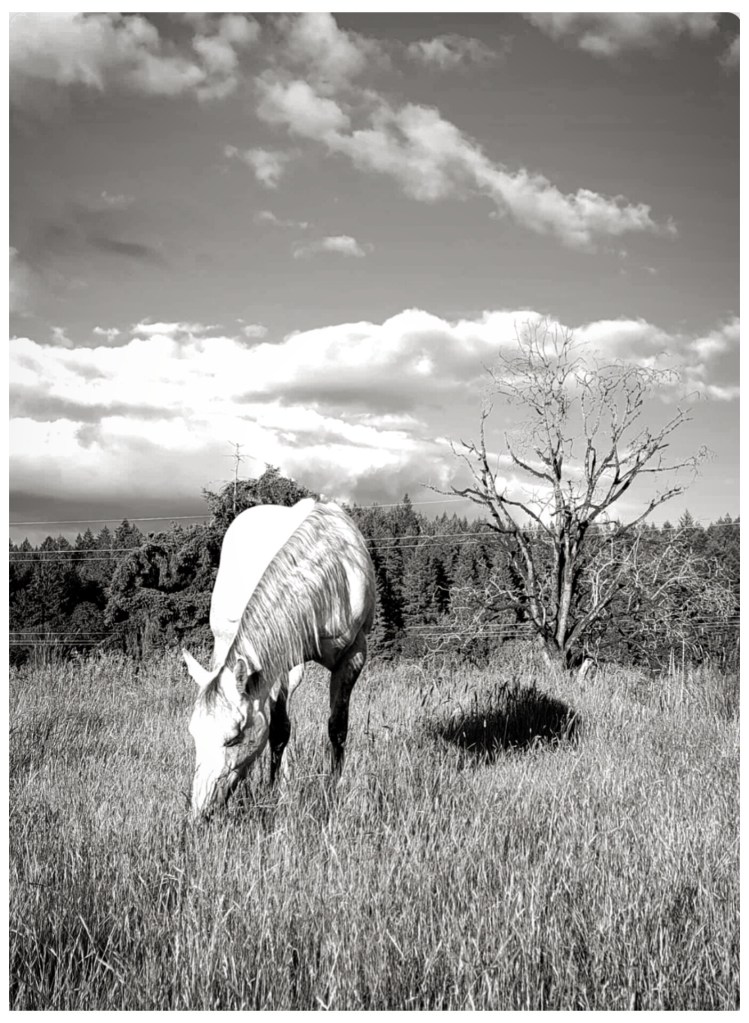
1. Temperament and Training:
~A sound temperament and an attitude and be safe and calm.
~Properly trained to respond to voice and rein commands
2. Health and Condition:
~Routine veterinarian check-ups.
~Well-maintained hooves and are properly shod.
Equine Specialist Role:
* Understanding of Horse Behavior.
* Training and Experience in Handling.
* Safety Management
* Equipment Knowledge
* Horse Welfare
* Communication with Therapist
These guidelines and collaboration make sure both the therapist and horse teams meet a code of conduct to support any client’s well-being.
Okay, let’s dive into how the specific sensory inputs from equine movement affect neural pathways involved in speech and language development, contrasting it with the more limited sensory stimulation in traditional therapy.
Equine Movement and Sensory Input:
Equine movement provides three main forms of sensory input:
1. Vestibular Input:
Vestibular input is when the movement of the horse activates the vestibular system in the inner ear. This system is responsible for balance, spatial orientation, and coordination. The rhythmic, multi-dimensional movement stimulates the vestibular nerve and associated brain regions, including the cerebellum and brainstem, all of which support a sense of balance.
2. Proprioceptive Input:
Proprioception, or “body awareness,” is the sense of where your body is in space. Riding on a horse requires you to constantly make balance
adjustments which activates and improves proprioception. Receptors in the muscles, tendons, and joints communicate position and movement to
the brain. This is crucial for motor control, coordination, and body awareness. This input goes directly to sensory processing centers of the
brain.
3. Tactile Input:
Tactile input is the sense of touch that you get from your skin receptors. The touch is from the horse, the reins, the tack, the grooming, or the feeling of being outdoors. These receptors send signals that helps create mental awareness of sensations.
How these Inputs Impact Neural Pathways Compared toTraditional Therapy:
In equine therapy, multiple sensory signals from movement synchronize neural activity through brain regions associated with motor, emotional, sensory processing and overall behavior.
• A lot of children with speech and language disorders, face trouble integrating sensory information, so all of this sensory integration on the horse can positively affect how sensory info is processes in the brain.
• The emotional element also facilitates a
release of dopamine to make changes in the sensory processes even more
beneficial.
• Unlike more linear, conventional sensory inputs found in traditional therapies, equine therapy provides varied and more holistic involvement
from many of the clients senses to benefit overall behavioral changes.
Enhanced motor skills, focus and emotional stability can all benefit to allow improved communication.
Alright, focusing on maximizing therapeutic benefits, here’s how to adapt traditional speech therapy techniques for integration with equine therapy:
Combining Therapies:
To ensure a smooth operation, all therapies, conventional and the equine therapy, need to have a unified goal, a structured session plan, and shared
documentation between traditional and equine professionals involved with the patient.
* Speech Therapists who know the equine movement
* Stable staff familiar with speech milestones
* Incorporate traditional articulation/verbal exercises on horseback
The most effective way to benefit a child with speech and language disorder is to adapt to all aspects mentioned above.
Beyond improved speech and language, equine therapy can lead to significant improvements in other developmental areas, potentially surpassing the gains seen with traditional speech therapy alone.
Here’s a look at these broader effects and how they are measured:
—Cognitive Function—
Attention and Focus:
The multisensory environment of equine therapy and the active participation required can boost attention span and focus.
Measurement:
Standardized attention tests (e.g., Test of Attentional Performance for Children), observation of on-task behavior during therapy sessions,
teacher/parent reports on attention in academic settings.
Problem-Solving and Sequencing:
Following instructions to guide the horse, adapting to unexpected situations during the ride, and sequencing tasks (grooming, tacking) can
improve problem-solving skills.
Measurement:
Observational assessments of problem-solving strategies, performance on cognitive tasks involving sequencing or spatial reasoning.
Memory:
Remembering instructions, routines, and cues during equine activities can
strengthen memory skills.
Measurement:
Standardized memory tests, observation of recall of instructions and sequences during therapy.
SOCIAL — EMOTIONAL WELL-BEING
Emotional Regulation:
The rhythmic movement of the horse and the calming presence of the animal can help regulate emotions and reduce anxiety.
Measurement:
Standardized anxiety scales (e.g., Spence Children’s Anxiety Scale), behavioral observation of emotional responses during sessions, measurement of physiological indicators like heart rate variability.
Social Skills:
Interacting with the therapist, equine specialist, and potentially other
riders provides opportunities to practice social communication skills.
Measurement:
Social skills rating scales completed by parents/teachers, observation of social interactions during therapy, self-reports of social competence.
Self-Esteem and Confidence:
Mastering new skills with the horse and forming a bond with the animal can boost self-esteem and confidence.
Measurement:
Standardized self-esteem scales (e.g., Rosenberg Self-Esteem Scale), qualitative feedback from clients about their sense of accomplishment,
observation of assertiveness and confidence during therapy sessions.
Empathy:
Caring for the horse can foster empathy and perspective-taking skills.
Measurement:
Observational assessments of empathetic behaviors, questionnaires assessing understanding of emotions and perspective-taking.
Why These Gains May Exceed Traditional Therapy
Multisensory Integration:
Equine therapy simultaneously addresses motor, sensory, and emotional challenges.
• Intrinsic Motivation:
Horses offer the motivation that traditional methods sometimes lack.
• Novelty and Engagement:
Engaging outside a clinic helps to promote positive emotions.
• Whole-Body Movement:
Horses engage the nervous system unlike simple fine motor skills in a small space.
• Animal Bond:
Relationships are a motivating factor and the children begin to show more signs of confidence and affection.
Overall: Traditional therapy can see progress in smaller increments, while horses assist and encourage improvements in an environment where a client is having fun and making improvements in many parts of their body that boost not only speech improvements, but also emotional and cognitive!
To maximize the effectiveness of equine therapy for speech and language disorders, here’s how speech therapists can leverage their “equine movement” knowledge:
1. Detailed Knowledge of Equine Gaits:
Speech therapists understand how the horse’s gait (walk, trot, canter) influences a client’s posture, muscle activation, and sensory input. This info
will affect patient position for exercises to gain the best articulation needed for improvement.
2. Speech-synchronized Horseback Movements:
The therapist can time it so that as the child is on the horse’s back they are encouraged to speak simple phrases as it rocks to help facilitate breath-sync, articulation and rhythm.
3. Customize to the Horse:
Choosing the right horse temperament and training that best serves the child.
4. Understand the clients fear-based issues:
The horse is a tool, but it also invokes fear or feelings of intimidation for the child. Knowing the behavior is important as that can make or break a
successful therapy session.
5. Combine techniques that maximize the improvements with cognitive and emotional support:
As previously mentioned, with the right tools and knowledge a child will see
improvement beyond that of conventional exercises that affect memory,
coordination and improve self-esteem overall.
6. Therapist can choose different tasks:
The exercises can focus on balance, posture, breathing, sensory integration and verbalizations all while they synchronize as the horse gallops.
Leveraging all the techniques above will help to make huge improvement
in overall therapies for patients with language related conditions.
Let’s delve into the physiological mechanisms, focusing on heart rate variability (HRV), through which horses can influence improvements in emotional regulation and social skills during equine therapy
1. Heart Rate Variability (HRV) as a Biomarker
Heart Rate Variability (HRV) mirrors how the nervous system helps a body manage stress and keep everything working smoothly. HRV measures how much time there is between heart beats.
People with better balance in their autonomic functions often have higher HRV and recover faster from changes that affect the emotions.
High HRV = greater emotional regulation and resilience
Low HRV = chronic stress or poor nervous system function
2. Physiological Mechanisms Influenced by Horses
Here are potential ways horse interaction may affect HRV, and also improve mental function, which may help with social interactions:
Activation of the Parasympathetic Nervous System: Engaging with horses will result in a release in hormones and a slower heart rate.
Synchronization of Rhythms:
This process of calming through shared experiences of being touched by a horse or stroking the animals, allows one to calm and be empathetic,
which can also then enhance personal growth.
Vestibular and Proprioceptive Input:
While the children are riding horses it is an active and multi-sensory movement which enhances one’s self-regulation, including emotions.
Reduced Stress Hormones: In multiple studies there have been many subjects found to experience reduced cortisol (the stress hormone) in
situations with interaction and riding.
3. Impact on Emotional Regulation and Social Skills
Through the parasympathetic system, which also effects stress- hormones and positive-hormone influences, one will also experience behavioral
improvements:
* Reduced Anxiety
* Improved Social Interactions
* Increased Attunement (connection)
Overall, horses play an essential role in all aspects, the mind and body.
This also aids emotional stability, which effects memory and social behavior, all which contribute to someone’s better ability to function through improved communication.
Okay, let’s focus on those specific, observable behaviors that indicate positive changes during equine therapy, exceeding what you’d typically see in a non-equine setting:
Self-Esteem
Equine Therapy
Taking Initiative
Confidently initiating grooming, leading, or mounting the horse without prompting.
Expressing Pride:
Verbalizing feelings of accomplishment after successfully completing a task with the horse (“I did it! I can really control her!”).
Increased Confidence in Body Language:
Improved posture, more direct eye contact when interacting with the horse or therapist.
Willingness to Try New Challenges:
Approaching more complex exercises or interactions with the horse that were previously avoided due to fear or self-doubt.
Non-Equine Setting (Traditional Therapy):
May see increased verbal affirmations about their abilities but without the physical embodiment of achievement.
Empathy & Equine Therapy
Attending to the Horse’s Needs:
Demonstrating awareness of the horse’s emotional state (e.g., recognizing signs of anxiety or discomfort) and responding appropriately (adjusting
the rein pressure, offering reassurance).
Providing Comfort:
Soothing a nervous or anxious horse through gentle touch, quiet vocalizations, and calm presence.
Anticipating the Horse’s Reactions:
Showing an understanding of how their actions might affect the horse’s behavior and adjusting their approach accordingly.
Verbalizing Empathy:
Expressing concern for the horse’s well-being (“She seems tired today,” or “I think she’s scared of that noise.”).
Non-Equine Setting:
* Empathy may be discussed in a more abstract, cognitive way, but there are limited opportunities to practice empathetic behaviors in a tangible, reciprocal relationship.
SOCIAL SKILLS
Initiating Interaction:
Voluntarily engaging in conversation with the therapist, equine specialist, or other riders about the horses or the therapy experience.
Cooperative Communication:
Effectively communicating instructions or requests to the horse with appropriate tone and clarity.
Sharing and Turn-Taking:
Collaborating with others in grooming or tacking the horse, willingly sharing equipment, and taking turns during riding activities.
Seeking and Accepting Help:
Asking for assistance when needed and accepting feedback from the therapist or specialist in a respectful manner.
Conflict Resolution:
Demonstrating the ability to resolve minor disagreements with others during group activities (e.g., deciding on the order of riders).
Non-Equine Setting:
Often limited to structured interactions with a therapist. Less opportunity for spontaneous social engagement.
In essence; equine therapy creates unique situations where behaviors emerge organically and are easily observed. These include, but are not
limited to, initiating self care, providing emotional awareness and participating in collaborative activities that require teamwork and the consideration of others’ perspectives.
The progress gained by working and caring for these gentle creatures is the proof!
Okay, let’s broaden the lens beyond the previously discussed mechanisms and explore additional physiological and psychological factors that could
contribute to equine therapy’s effects on emotional regulation, and how these might intertwine with HRV—
ADDITIONAL PHYSIOLOGICAL FACTORS:
1. Neurotransmitter Modulation:
Mechanism:
Interaction with horses, especially activities like riding, could stimulate the release of neurotransmitters like endorphins (associated with pain relief and pleasure), dopamine (linked to reward and motivation), and serotonin (involved in mood regulation).
Interaction with HRV:
Enhanced neurotransmitter function (especially increased serotonin and dopamine) is linked to improved parasympathetic tone and higher HRV.
2. Sensory Integration:
Mechanism:
Equine therapy is a multisensory experience involving vestibular, proprioceptive, tactile, visual, and auditory stimuli.
Interaction with HRV:
Successful sensory integration is associated with reduced stress responses and increased vagal tone (parasympathetic activity), leading to higher HRV.
3. Hormonal Influences (Beyond Cortisol):
Mechanism:
Oxytocin:
Interacting with animals (including horses) can increase oxytocin levels, a hormone associated with bonding, social connection, and stress reduction.
DHEA (Dehydroepiandrosterone):
DHEA, a precursor to sex hormones, has neuroprotective and anti-stress effects. Equine therapy might influence DHEA production, contributing to improved emotional regulation.
Interaction with HRV:
Oxytocin promotes social engagement behaviors and has been linked to increased HRV. DHEA may counteract the negative effects of stress hormones, supporting healthy HRV.
4. Vagal Nerve Stimulation:
Mechanism:
When a person connects with an animal, for example, the horse, they will experience heightened parasympathetic activity or what we previously
referred to, Vagal tone (parasympathetic nervous system).
—Additional Psychological Factors—
1. Attachment and Bonding:
Mechanism:
Forming a secure attachment bond with the horse can provide a sense of safety, security, and emotional support, mirroring the benefits of secure
human relationships.
Interaction with HRV:
Secure attachment experiences are associated with a more regulated autonomic nervous system and higher HRV.
2. Mindfulness and Present Moment Awareness:
Mechanism:
The focused attention required to interact with a horse, combined with the sensory-rich environment, can promote mindfulness and present moment awareness, reducing rumination and worry.
Interaction with HRV:
Mindfulness practices have been shown to increase HRV by promoting parasympathetic activity and reducing stress reactivity.
3. Self-Efficacy and Mastery:
Mechanism:
Successfully learning new skills related to horsemanship (e.g., grooming, leading, riding) can increase self-efficacy – the belief in one’s ability to
succeed in specific situations.
Interaction with HRV:
Enhanced self-efficacy can reduce anxiety and stress in challenging situations, contributing to a more balanced autonomic nervous system and improved HRV.
4. Sense of Purpose and Meaning:
Mechanism:
Horses, particularly caring for them, is a mutually beneficial engagement where, because of that bond the child gains a sense of purpose.
This, of course, heightens someone’s overall wellbeing because it connects with what is essential.
It’s important to acknowledge that these factors likely interact in complex ways.
For instance, increased oxytocin release during equine therapy could promote feelings of attachment and security, which in turn may enhance mindfulness and reduce stress reactivity, ultimately influencing HRV.
Future research should focus on teasing apart these complex interactions to gain a more comprehensive understanding of the mechanisms underlying the
therapeutic effects of equine therapy.
The Oaks Legacy Ranch: Backing the Impact of Equine-Assisted Therapy for Speech and Language Disorders
The Oaks Legacy Ranch is committed to providing transformative equine-assisted therapy—particularly hippotherapy—for children with
speech and language disorders.
This document outlines the scientific and practical foundations for our program, demonstrating how our approach offers unique, measurable benefits that surpass traditional clinic-based therapy.
Unique Benefits of Equine Therapy (Hippotherapy)
Multisensory Stimulation
Equine movement provides tactile, vestibular (balance), and proprioceptive (body awareness) input.
This comprehensive sensory experience helps organize the nervous system, improving focus and receptiveness to therapy.
Traditional speech therapy is typically limited to auditory and visual stimuli.
Postural Control and Core Strength
• Riding requires constant postural adjustments, engaging core muscles and improving breath support, articulation, and vocal projection.
• Traditional therapy addresses these elements in isolation, often with less engagement.
Motivation and Engagement
The novelty and joy of working with horses intrinsically motivate children, increasing participation and cooperation.
This is especially beneficial for children resistant to conventional therapy.
Emotional Regulation
The rhythmic movement of the horse calms the nervous system, reducing anxiety and improving emotional regulation.
The bond with the horse and team fosters trust and emotional security.
IMPROVED SOCIAL INTERACTION
Children interact with the horse, therapist, and peers, enhancing communication skills, social awareness, and confidence in real-world social situations.
Therapy occurs in a naturalistic setting, promoting generalization o communication skills to daily life.
Traditional Speech Therapy vs. Hippotherapy
Training and Qualifications—Therapists
Professional Licensure:
Speech-language pathologists, occupational therapists, physical therapists, or mental health professionals with up-to-date credentials.
Specialized Training:
Completion of recognized equine-assisted therapy or hippotherapy certification programs.
Continuing Education:
Ongoing learning in EAT safety, research, and techniques.
Key Skills:
Understanding equine behavior, adapting activities to horse movement, following safety protocols, and collaborating with equine specialists.
HORSES
Temperament: Calm, safe, and responsive to commands.
Training: Properly trained for therapy settings.
Health: Regular veterinary care and hoof maintenance.
EQUINE SPECIALISTS
Knowledgeable in horse behavior, safety, equipment, and horse welfare.
Work closely with therapists to ensure safety and maximize therapeutic outcomes.
HOW EQUINE MOVEMENT IMPACTS THE BRAIN
Vestibular Input: Horse movement stimulates the vestibular system, supporting balance and coordination.
Proprioceptive Input: Constant balance adjustments improve body awareness and motor control.
Tactile Input: Touch from horse, tack, and environment enhances sensory processing.
Neural Integration: Multisensory input synchronizes brain regions for motor, sensory, and emotional processing, supporting speech and language development.
INTEGRATION WITH TRADITIONAL SPEECH THERAPY
Unified therapy goals and shared documentation.
Speech therapists leverage knowledge of equine movement to synchronize exercises with horse gaits.
Incorporation of traditional articulation and verbal exercises on horseback for maximum engagement and benefit
Broader Developmental Gains
Cognitive Function
Attention and Focus: Improved via active, multisensory environment.
Problem-Solving and Sequencing: Enhanced through following instructions and adapting to dynamic situations.
REAL-WORLD APPLICATION
Memory: Strengthened by recalling routines and cues during equine activities.
SOCIAL-EMOTIONAL WELL-BEING
Emotional Regulation: Measured by anxiety scales and physiological indicators (e.g., heart rate variability).
Social Skills: Improved through natural interactions and group activities.
Self-Esteem and Confidence: Built by mastering new skills and bonding with the horse.
Empathy: Fostered by caring for and responding to the horse’s needs.
HEART RATE VARIABILITY (HRV)
High HRV is linked to greater emotional regulation and resilience.
Horse interaction can increase HRV by:
• Activating the parasympathetic nervous system.
• Synchronizing rhythms through touch and movement.
• Reducing stress hormones like cortisol.
ADDITIONAL FACTORS
Neurotransmitter Release: Increased endorphins, dopamine, and serotonin support mood and motivation.
Hormonal Influences: Oxytocin and DHEA promote bonding and stress resilience.
Attachment and Bonding: Secure relationships with horses mirror benefits of human attachment.
Mindfulness: Sensory-rich activities promote present-moment awareness and reduce stress.
Self-Efficacy: Mastery of horsemanship skills builds confidence and coping ability.
Sense of Purpose: Caring for horses enhances overall well-being.
OBSERVABLE OUTCOMES AT THE OAKS LEGACY RANCH
• Self-Esteem
• Initiative in horse care and riding.
• Expressing pride and confidence.
• Willingness to try new challenges.
• Empathy
• Attending to the horse’s emotional state.
• Providing comfort and anticipating reactions.
• Verbalizing concern for the horse’s well-being.
•Social Skills
• Initiating and maintaining interactions.
• Cooperative communication and teamwork.
• Sharing, turn-taking, and conflict resolution.
CONCLUSION
The Oaks Legacy Ranch’s equine-assisted therapy program is grounded in robust scientific principles and best practices.
Our approach uniquely addresses the physical, sensory, emotional, and social needs of children with speech and language disorders—delivering outcomes that extend far beyond traditional therapy. By fostering a supportive environment where children can thrive, we empower them to achieve meaningful, lasting progress in communication and overall development.
My sincere thanks,
Martine Rohlfing — President
Founder & CEO Of The N.I.C.E. Foundation a 501c3 Non-Profit & All Programs Under the N.I.C.E. Umbrella
YOUR SUPPORT IS INVALUABLE & GREATLY APPRECIATED!
 The Oaks Legacy Ranch
Leave a comment